

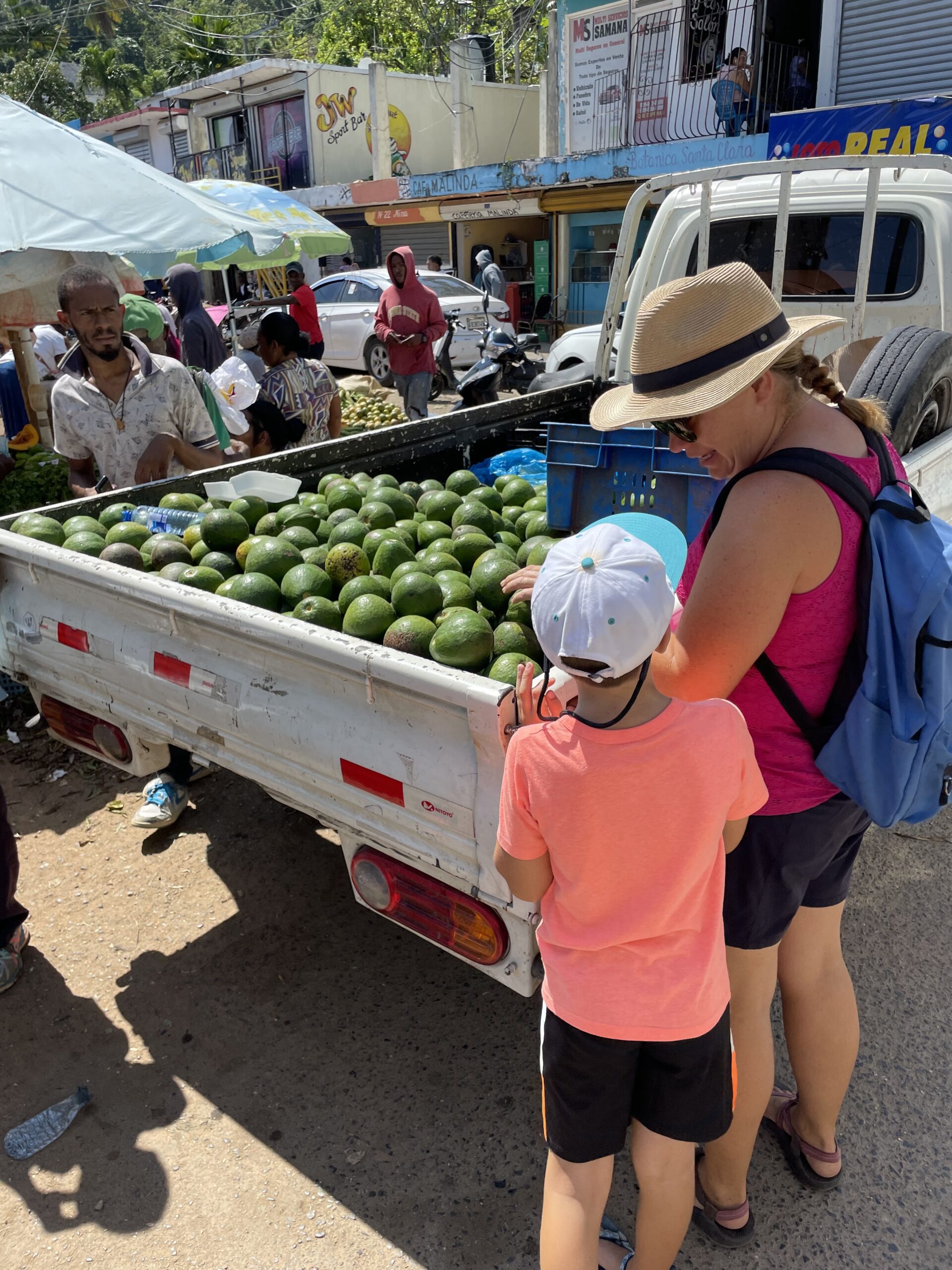

What if the richest lessons your child could learn weren’t found in a classroom, but in the chaos of provisioning at a foreign market, the beauty of nature, or the challenge of navigating a language barrier?
As a family who’s spent years sailing, RVing, and backpacking together, we’ve realized that education doesn’t only happen in schools. In fact, it’s been the lessons outside the classroom that shaped us the most, first as kids, and now as parents. In the lifestyle we choose, we become the mentors our kids need by bringing them into the unknown with us.
Chartered vs. Uncharted
When Lisa and I began sailing together, we read the book Saving Sailing by author Nick Hayes. At the time, Lisa and I didn’t have children, but we quickly gravitated to how Nick talked about raising kids. In his book, Nick espouses many lessons that transcend sailing. He contrasts “chartered” activities, which he defines as structured, adult-managed, and heavily scheduled, with “unchartered” activities, ones where kids and adults share time, skills, and curiosity side by side. He argues that unchartered activities like sailing or long-term travel are where real mentorship happens.
That’s exactly what we’ve seen.
When you strip away the routine, the commute, the after-school shuffle, you create space for something deeper. A spontaneous snorkel becomes a conversation about ecosystems, biodiversity and climate change. A broken generator becomes both a hands-on STEM lesson and a chance to practice problem-solving and persistence.. A long passage becomes a masterclass in resilience, patience, and teamwork.
Passing It Down
One of the reasons this lifestyle resonates so deeply with us is because our own parents modeled it well. Maybe not always through travel, but through how they brought us into their world, taught us by doing, and trusted us with real responsibility. They made space for unchartered experiences long before we had a name for them.
Whether it was fixing things around the house, working on old cars, old boats, hobbies, or just letting us tag along on grown-up adventures, they mentored us not with lectures but with presence. We’re grateful every day for the way our parents included us, challenged us, and gave us the confidence to believe we could handle hard things.
That example is one we carry forward and try to build on with our own kids.
Mentorship Is Everywhere

In this lifestyle, mentorship isn’t a sit-down talk. It’s built into the fabric of your days.
- When you teach your child to read a chartplotter, troubleshoot the fridge, or hail another vessel, you’re mentoring.
- When they see you make tough decisions, make plans, or fail and learn from your mistakes, they’re learning how to lead.
- When they help cook a meal in a swaying galley or shop for groceries in Spanish, they’re growing their capability and confidence.
And they’re not just learning how to do, they’re learning how to be. Curious. Courageous. Capable. Human.
Why It Matters
The world our kids are inheriting is complex and fast-changing. Artificial Intelligence (AI) is rapidly changing our world and traditional education alone won’t be enough. Our children will need human skills like empathy, adaptability, communication skills, and the ability to lead themselves and others through uncertainty.
We’re not perfect parents. We’re certainly not always as patient as we’d hope. But we are present and engaged. And that, we believe, is the true power of this lifestyle.
A Few Things We’ve Learned
- Mentorship doesn’t need a plan. Some of the best moments come in the mess.
- Kids rise to the level of your belief in them. Treat them as capable, and they’ll surprise you.
- Involve them early. Planning the journey, solving challenges, reflecting on hard moments—let them be part of it.
- Slow down. The magic often happens when there’s time and space to explore, not when you’re racing to the next destination.
Final Thoughts
Choosing a mobile lifestyle with kids isn’t the easiest path. But in many ways, it’s the most rewarding. The shared adventures, tough conversations, and quiet victories are building a bond we wouldn’t trade for anything.
The most meaningful lessons often aren’t in books. They’re in the bold, beautiful, uncharted and unchartered places you go together.